Introduction
As summer time approaches, the sweltering warmth can flip your at ease home into an uncomfortable sauna. Air conditioning procedures changed into primary, however the question arises: can you install your personal air conditioner? With a increasing development in direction of DIY initiatives, many owners are because taking subjects into their personal arms. This article delves into the fine details of DIY AC installation, exploring even if it’s quite available for the typical house owner or more desirable left to the execs.
Understanding the Basics of Air Conditioning Systems
What is an Air Conditioner?
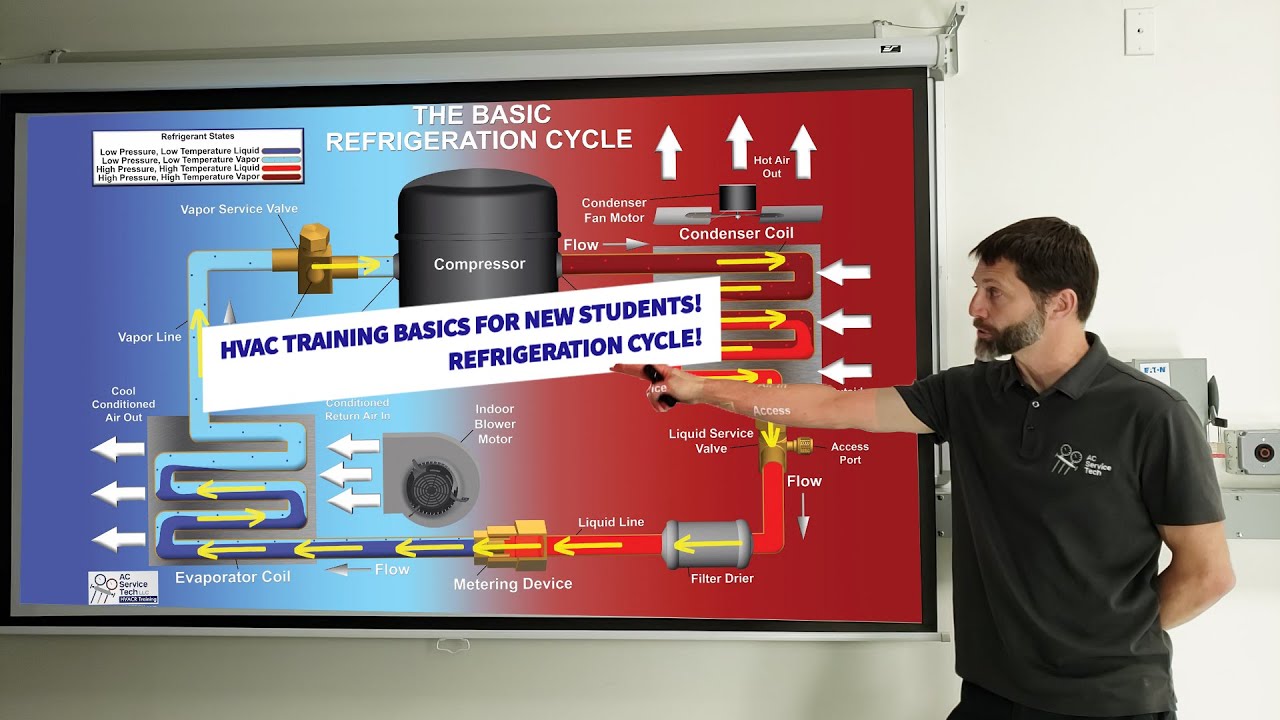
An air conditioner (AC) is a equipment designed to keep an eye on indoor temperatures by removing warm from a specific quarter and expelling it backyard. It operates on the concepts of thermodynamics, concerning refrigerants that absorb and unencumber warmness.
Types of Air Conditioners
When contemplating a DIY AC setting up, this is mandatory to recognise the totally different different types of air conditioners out there:
- Window Units: Compact contraptions well suited for single rooms. Affordable however will also be much less productive for greater spaces. Portable ACs: Versatile and elementary to head but can also require venting by way of a window. Split Systems: Comprising two contraptions (indoor and outdoor), proposing useful cooling for complete buildings however advanced to put in. Central Air Conditioning: Best for vast residences, employing ducts to distribute cool air all around.
Choosing the Right Air Conditioner
What Size of AC Unit Do I Need?
Determining definitely the right length is indispensable. An undersized unit will combat to chill your house, whereas an outsized unit will cycle on and rancid too traditionally, major to inefficiency. The regularly occurring rule of thumb is:
- Calculate your room's rectangular photos. Use BTU (British Thermal Units) rankings as a advisor. Typically, you need about 20 BTUs in keeping with rectangular foot.
| Room Size (sq ft) | Recommended BTUs | |-------------------|------------------| | one hundred - 300 | 5,000 - 7,000 | | three hundred - six hundred | 7,000 - 14,000 | | six hundred - 1,000 | 14,000 - 25,000 |
How Do I Know What Type of Air Conditioner to Buy?
Choosing an AC entails comparing a couple of explanations:
Room Size: Larger rooms require extra valuable devices. Energy Efficiency: Look for sets with prime SEER (Seasonal Energy Efficiency Ratio) rankings. Installation Feasibility: Some models are less demanding for DIY set up than others. Cost: Factor in the two initial buy expense and long-term operational expenses.DIY AC Installation: Can You Really Do It Yourself?
The reply isn’t honest; it is dependent generally for your knowledge and expertise. While many homeowners efficiently full their very own installations, there are complexities involved which may end in blunders if one isn’t careful.
Pros of DIY Installation
Cost Savings: Avoid hard work rates with the aid of dealing with set up yourself. Flexibility: Choose your schedule with no looking ahead to legitimate availability. Learning Experience: Gain critical knowledge and talents approximately HVAC approaches.Cons of DIY Installation
Potential Errors: Mistakes can lead to inefficient operation or maybe smash to the unit. Safety Risks: Working with electric add-ons poses security disadvantages if now not handled thoroughly. Warranty Issues: Many manufacturers void warranties if installations aren’t played by means of certified authorities.Preparing for Your DIY AC Installation
Gather Necessary Tools and Equipment
Before diving into installation, ensure you will have the entirety you want:
- Screwdrivers Wrenches Level Tape measure Drill Safety goggles and gloves
Read the Instruction Manual Thoroughly
Each air con unit comes with express instructions that have to be adopted carefully for proper setting up and most appropriate functionality.
Step-by way of-Step Guide to Installing Your Own AC Unit
Step 1: Choosing an Installation Location
Select a location that helps ample airflow both indoors and outdoor whilst being truly out there for repairs.
Step 2: Mounting the Indoor Unit
If you are setting up a break up approach:
Step 3: Installing the Outdoor Unit
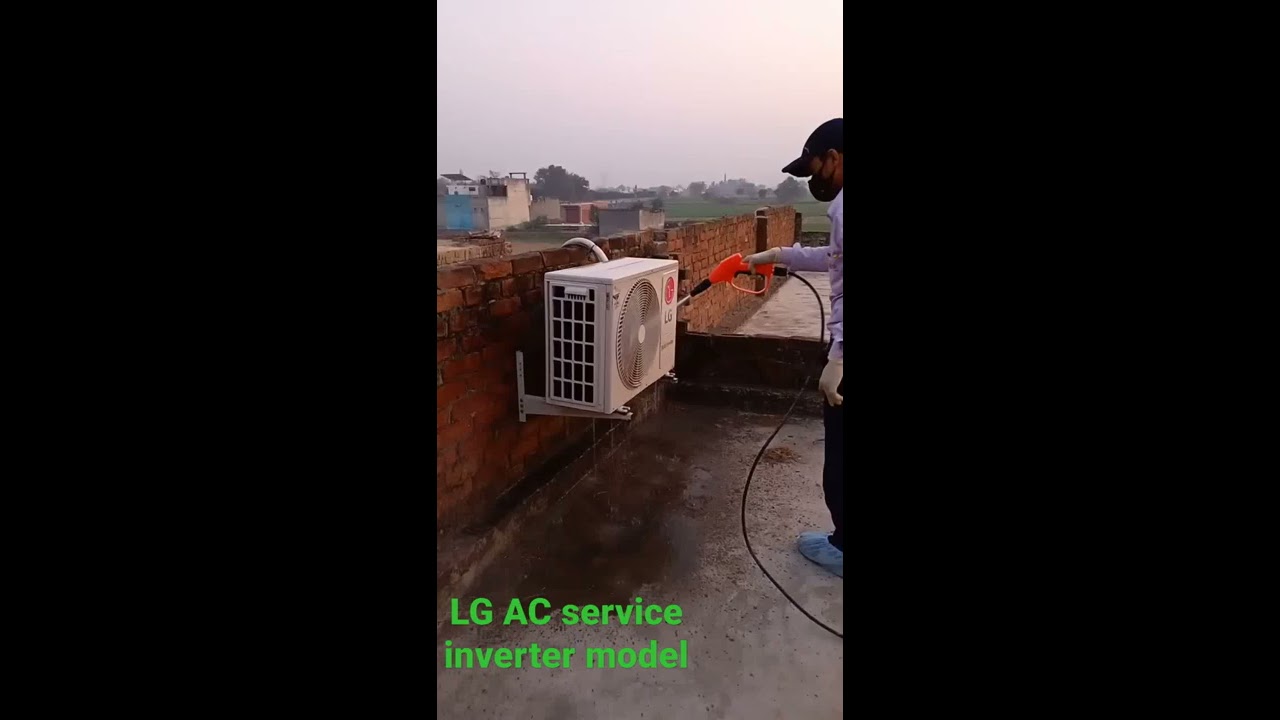
Place the open air condenser on a sturdy floor like concrete pads or brackets—guaranteeing acceptable drainage far from your private home.
Step 4: Connecting Electrical Lines
Follow safety protocols when connecting vitality strains:
Turn off strength on the breaker box ahead of opening work. Connect wires in step with company specs; unsuitable wiring can cause fires or system failure.Step five: Sealing Refrigerant Lines
Ensure all connections are tight and excellent insulated with foam tape or an identical fabrics to avert vigour loss.
Testing Your Newly Installed AC System
Once every thing is connected:
Turn on power at the breaker container. Switch for your unit with the aid of remote manage or wall thermostat. Monitor functionality—fee airflow temperature after jogging for a couple of minutes; it needs to be fantastically cooler than room temperature.FAQ Section
Q1: Can I Install My Own AC Unit?
Yes! Many home owners correctly accomplished their possess installations; in spite of https://stephenfzwe723.theglensecret.com/comparing-central-vs-ductless-mini-split-systems-which-fits-your-needs-4 the fact that, it requires cautious making plans and adherence to safeguard protocols.
Q2: How Much Does Professional AC Installation Cost?
Professional expenses differ widely situated on place yet sometimes latitude from $500-$2000 relying on complexity and kind of unit mounted.
Q3: Where Can I Buy Air Conditioner Online?
Several official shops promote air conditioners on-line—appearance out for client experiences while procuring from sites like Amazon or specialised HVAC shops like acprices.ca.
Q4: Are There Any Local Regulations Regarding AC Installation?
Yes! Check native construction codes which would dictate genuine requirements relating to HVAC installations—failure to conform may possibly cause fines or needed removal of non-compliant sets.
Q5: What Maintenance Is Required After Installation?
Regular repairs involves exchanging filters every few months, cleansing coils annually, checking refrigerant stages, and making certain drainage procedures work wisely.
Q6: How Do I Find The Best AC Companies in Canada?
You can search on-line directories like acprices.ca which offer scores based on visitor comments and service exceptional—guaranteeing you elect professional companies when mandatory!
Conclusion
In end, when project a DIY AC installation may appear daunting first and foremost look, with sufficient education and advantage it’s solely available! From awareness what size unit matches your demands simplest as a result of researching how each aspect works together—the adventure may just just empower you added as a owner of a house! Remember normally prioritize safety mainly else for the time of installation approaches; if unsure don’t hesitate reaching out professionals indexed at highest AC agency listing Canada acprices.ca!
With summer season desirable round corner don’t enable soreness get you down—equip yourself right now by using making an investment time studying merchandise attainable formerly making decisions whether employ gurus professional tradespeople or take plunge into fascinating world do-it-your self projects!
This article affords complete insights into DIY air-con install at the same time as affirming professionalism all through its content—encouraging readers discover preferences confidently!